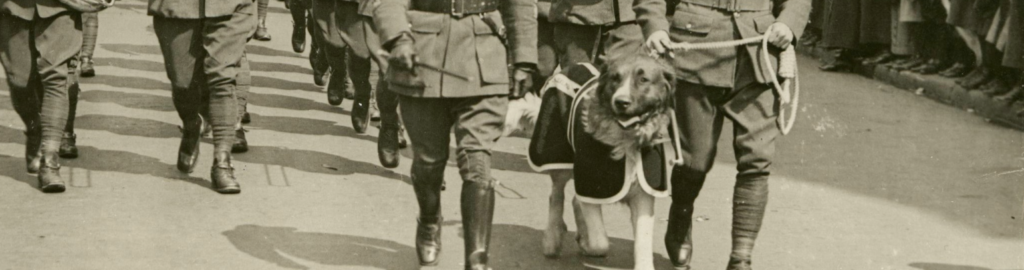
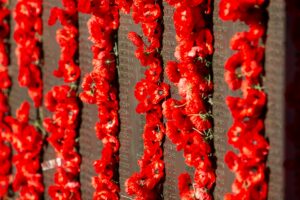
 April brings with it a day of profound remembrance in Australia and New Zealand. Anzac Day, observed on April 25th, is a solemn day of reflection dedicated to honouring the men and women who have served and sacrificed in conflicts across the globe. Yet, among the ranks of these brave souls, there exists a contingent of heroes often unsung: the military and service dogs whose loyalty and bravery have saved countless lives.
The history of military dogs is as old as warfare itself, with their roles evolving from mascots and sentinels to modern-day roles in search, rescue, and therapeutic support. In the trenches of World War I, dogs carried messages under fire and provided vital companionship to soldiers. World War II saw their roles expand further into mine detection, guard duty, and casualty location. Today, their invaluable contributions continue, showcasing their versatility, intelligence, and unyielding courage.
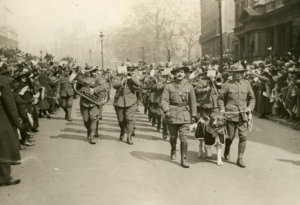 The legacy of these canine heroes extends beyond their service in conflict zones. Many military dogs transition to roles in peacetime, serving as therapy dogs to veterans, assisting in search and rescue operations, and continuing to protect and serve in various capacities. Their impact is profound, not only in the physical tasks they perform but in the emotional support and companionship they provide to their human counterparts.
Anzac Day is an opportunity to extend our remembrance to these four-legged heroes. Across Australia and New Zealand, ceremonies and memorials increasingly acknowledge the sacrifices of military and service dogs. The Australian War Memorial in Canberra, for example, pays tribute to these animals alongside their human comrades, ensuring their bravery is not forgotten.
The stories of military and service dogs are not just tales of duty but of extraordinary bonds formed under the most trying conditions. Dogs like Sarbi, the Australian Special Forces explosives detection dog who was lost in action in Afghanistan and found 13 months later, embody resilience, loyalty, and the unbreakable connection between dogs and their handlers.
 As we commemorate Anzac Day, let us also foster awareness and gratitude for the contributions of military and service dogs. Their stories are a powerful reminder of the diverse roles animals play in our lives and in the fabric of our nations’ histories.
Organisations such as the RSPCA and the Australian War Animal Memorial Organization work tirelessly to advocate for the recognition and welfare of service animals. Supporting such causes helps ensure that the valour of these animals is honoured and that their well-being is safeguarded during and after their service. Let their legacy of loyalty and courage inspire us all.