
Imagine your Labrador bounding into a sunlit play yard, tail wagging with curiosity and hope. Starting dog daycare marks a significant milestone—for both pups and their owners. Whether you’re anxious about the first separation or simply curious about the daily routine, this guide from Paddington Pups Daycare in Queensland outlines exactly how to prepare, what your dog will experience, and how to ensure their first day is enriching, safe, and confidence-building.
How Should Dog Owners Prepare Their Dogs for the First Day at Daycare?
Preparing a dog for its first daycare visit means addressing health, behaviour, packing essentials, and socialisation. Proper steps ensure a confident, calm entry into group care while building positive associations.
Vaccinations and Health Checks Requirements
Australian regulations demand that dogs attending daycare are up to date on core vaccinations and have a recent veterinary health check. These essential requirements include:
| Requirement | Details |
|---|---|
| Core Vaccinations | Distemper, Parvovirus (DHPP), Bordetella–updated within last 6 months |
| Veterinary Health Check | Signed certificate within the last 30 days |
Vaccination Requirements for Dogs
To safeguard the health of all dogs attending daycare, up-to-date immunisations are essential. In Australia, the core vaccination schedule includes the C3 vaccine—protecting against canine distemper, adenovirus (hepatitis), and parvovirus. For dogs attending social environments like daycare, a C5 vaccination is typically required. This adds protection against Bordetella bronchiseptica and canine parainfluenza virus, which are the primary causes of canine cough.
Veterinary professionals may also recommend non-core vaccines such as leptospirosis, depending on your dog’s lifestyle and exposure risk. A current health certificate from a licensed vet may also be requested before enrolment.
RSPCA Australia, What Vaccinations Should My Dog Receive? (2022)
This information supports the article’s emphasis on the importance of health checks and immunisation before a dog’s first day at daycare.
Easing Separation Anxiety Before Daycare
- Owners should conduct short trial departures, returning before distress peaks.
- Positive reinforcement with favorite treats and calm praise makes separation rewarding.
- Familiar blankets or toys carried into daycare offer soothing scents of home.
Gradual departures paired with comforting items help dogs anticipate parent returns, making the transition into social play smoother.
Essentials to Pack for Dog Daycare
A sturdy collar with ID tag displaying name and owner contact.
- Fresh water bottle and spill‐proof bowl to stay hydrated all day.
- A comfort item, such as a plush toy or worn T‐shirt, for anxiety relief.
- Pre‐measured meals in sealed containers to maintain dietary routine.
Bringing these items promotes stability in the daycare setting and reinforces a sense of familiarity amid new experiences.
Pre-Daycare Socialisation Help Your Dog Adjust
- Visits to parks or puppy classes introduce controlled interactions with new dogs.
- Brief meet‐and‐greet sessions at the facility allow staff to assess temperament.
- Structured play dates reinforce cues for polite greetings and gentle play.
By socializing at home and on pre‐visits, dogs enter their first daycare day ready to engage positively, setting the foundation for a happy, social routine.
What Can You Expect on Your Dog’s First Day at Paddington Pups Daycare?
Your dog’s initial day unfolds with care, structure, and enrichment. Paddington Pups’ experienced team welcomes every dog with personal attention and a clear schedule. First impressions matter. At Paddington Pups, dogs arrive between 7:30 am and 9:00 am and are welcomed into a calm reception area. Trained staff conduct wellness checks and confirm vaccination status before guiding dogs into small, matched groups based on temperament and energy level.
Morning Drop-Off and Welcome Process
Dogs arrive between 7:30 am and 9:00 am to a calm reception area where trained staff:
- Greet dogs by name, checking collar ID and vaccination records.
- Perform a brief wellness check—temperature, coat inspection, energy level.
- Escort each dog into designated play groups based on size and play style.
This structured greeting ensures safety, confirms health status, and introduces dogs to compatible companions before play begins.
Typical Day Look Like at Paddington Pups
A consistent routine balances activity, rest, feeding, and enrichment to support wellbeing. Here’s a sample routine of most Dog Daycare facilities in Queensland.
| Time | Activity | Details |
|---|---|---|
| 7:30 am–9 am | Arrival & Acclimation | Well checks and slow introductions |
| 9 am–11 am | Group Play | Supervised games, fetch, agility |
| 11 am–11:30 am | Rest Break | Quiet zones with soft bedding |
| 11:30 am–1 pm | Mental Enrichment | Puzzle feeders and scent trails |
| 1 pm–2 pm | Lunch & Hydration | Owner‐provided meals, refill water |
| 2 pm–4 pm | Rotational Play | Indoor/outdoor play rotations |
| 4 pm–4:30 pm | Afternoon Rest | Calm rest, staff‐supervised napping |
| 4:30 pm–6 pm | Wind‐Down & Pick‐Up | Leash walk, feedback to owners |
Group Play Is Supervised to Ensure Safe Socialisation
- Staff maintain a low dog‐to‐attendant ratio to intervene early in overstimulation.
- Dogs are grouped by size, energy level, and play style to prevent mismatches.
- Separate indoor and outdoor play zones offer varied spaces and climate control.
These protocols minimize conflict risk and foster positive interactions that build social skills.
Rest and Quiet Time Provide Individual Attention
- Dogs rotate into quiet rooms with cushioned mats and gentle music.
- Staff conduct one‐on‐one check‐ins, offering belly rubs or light grooming.
- Specialty areas accommodate seniors and shy dogs in smaller, calmer groups.
Alternating high‐energy play with personalized attention ensures each dog’s needs are met.
What Should Owners Expect During Pick-Up and Post-Daycare Behaviour?
- Owners receive a brief report on playtime, rest, and appetite observations.
- Some dogs exhibit relaxed energy bursts at home—a sign of stimulated mind and body.
- Afternoons may include a restful nap or gentle walk to unwind after group activity.
Understanding these behaviours lets owners reinforce positive experiences and maintain routine at home.
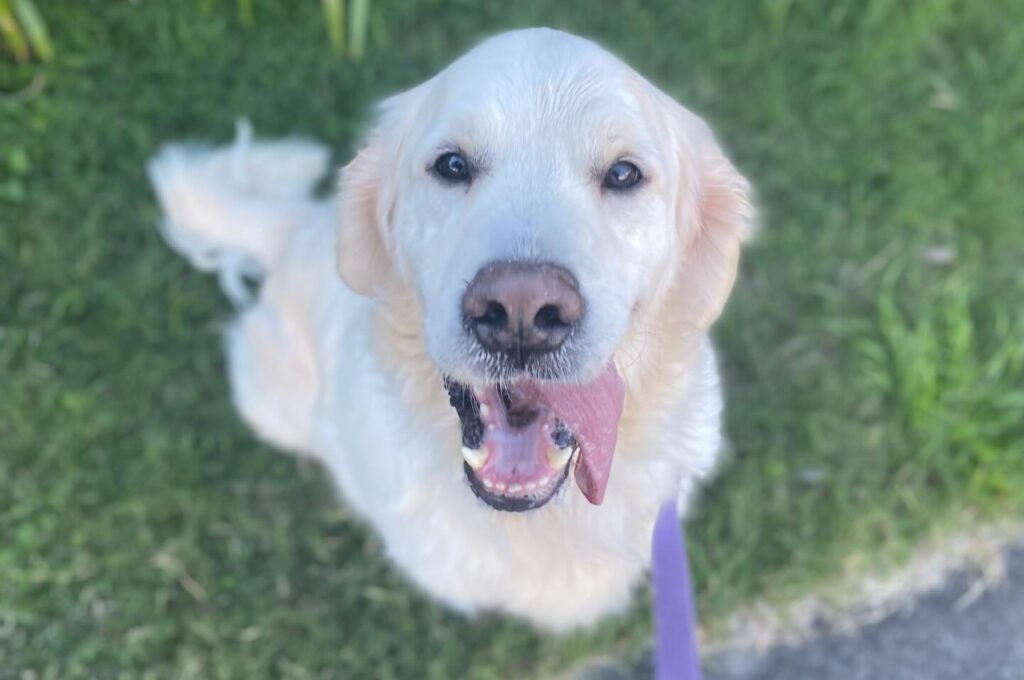
What Are the Key Benefits of Dog Daycare for Your Dog’s Wellbeing?
Dog daycare provides numerous benefits, including enhanced socialisation skills, physical exercise, mental stimulation, and a reduction in destructive behaviours. Regular daycare can also build confidence in dogs by providing positive social interactions and new experiences.
The Association of Professional Dog Trainers (APDT), Dog Daycare: Benefits and Considerations (2023)
This citation reinforces the article’s claims about the positive impacts of dog daycare on a dog’s overall well-being.
Daycare Enhances Dog Social Skills Through Structured Play
Regular exposure to diverse play styles reduces fear of new dogs or people.
- Learning boundaries during group play promotes impulse control and bite inhibition.
- Staff‐led social exercises, like recall games, reinforce obedience in a lively setting.
This social groundwork supports calmer walks and more predictable behaviour outside daycare.
Physical Exercise and Mental Enrichment Support Overall Wellness
- Fetch, tug‐of‐war, and obstacle courses challenge muscular strength and coordination.
- Puzzle toys, scent work, and training tasks engage problem‐solving abilities.
- Varied rotations between indoor and outdoor areas prevent boredom and overstimulation.
Such balanced activity releases energy constructively and discourages sedentary habits.
Supervised Activity Reduces Boredom and Destructive Behaviours
- Supervised play redirects energy into games rather than furniture or yard destruction.
- Evening rest after a full day lowers nighttime restlessness and barking.
- Social bonds with staff and canine companions reduce anxiety‐triggered mischief.
A mentally and physically fulfilled dog returns home calmer and less prone to unwanted behaviours.
Confidence Builds as Dogs Master New Experiences
- Mastering agility obstacles boosts self‐assurance in physical coordination.
- Positive reinforcement from staff for polite greetings reinforces good manners.
- Gradual acclimation to varied environments eases fear of novel situations.
Confident daycare graduates adapt more readily to veterinary visits, grooming, and travel. e.
Puppy Daycare Supports Healthy Development
Puppies are at a critical stage of growth, and early social experiences shape how they interact with the world. At Paddington Pups, small group sizes allow for close supervision during both playtime and rest. Soft, age-appropriate toys and low agility obstacles help build coordination and confidence without overwhelming young pups. The team also introduces basic cues like “sit,” “come,” and “gentle play” in a structured yet fun way—laying the foundation for long-term obedience and positive behaviour. With every successful interaction, your puppy builds the social skills they’ll use for life.
Strategies That Help Anxious Dogs Feel Comfortable in Daycare
Paddington Pups specializes in helping shy or anxious dogs settle in at their own pace. Dogs are introduced gradually through short, low-pressure visits before attending a full day. The environment includes calming pheromone diffusers, soft music, and plenty of cozy resting areas to soothe nerves.Staff members offer one-on-one attention and tailor activities to help nervous dogs feel secure. Confidence-building exercises are incorporated gently into the day to promote positive associations with daycare.
Tailored Care for Dogs With Special Needs at Paddington Pups
From senior pups to those with dietary or behavioural needs, Paddington Pups goes above and beyond to ensure every dog receives care that suits their situation:
- Personalized play plans for dogs with mobility issues or energy sensitivities
- Custom meal preparation for pups with allergies or digestive concerns
- Ongoing behavioural support, including progress updates and collaboration with owners
This inclusive approach ensures every dog feels seen, valued, and safe.
How Can You Help Your Dog Thrive at Paddington Pups?
As an owner, your involvement helps maximize your dog’s daycare experience. Trust begins with consistency and kindness. At Paddington Pups, the team offers warm greetings, gentle handling, and fun staff-led training games. You’ll also receive regular photo and video updates, so you can stay connected and celebrate your dog’s milestones along the way.
Prepare Your Dog for a Smooth Transition
Before enrolling, schedule a trial visit so your dog can become familiar with the facility. Bring a comfort item from home, like a worn T-shirt or favorite toy, to ease their transition. Staff will guide you through the drop-off routine and help your dog acclimate in a calm, supported manner.
Common Owner Questions About Daycare and How They’re Answered
Owners often wonder about feeding, updates, and how their dog will fit in socially. Paddington Pups answers these proactively:
- Daily updates are delivered via real-time app notifications.
- Feeding schedules are tailored to your dog’s routine and food portions.
- Social assessments ensure your dog is matched with compatible playmates.
Transparent communication and dedicated care help you feel confident that your dog is in excellent hands.
Give Your Dog the Best First Day—and Every Day After
Paddington Pups is more than just a daycare—it’s a place where dogs grow, thrive, and wag their way into a happier, healthier life. Whether your dog is a bouncy pup, a nervous first-timer, or has unique needs, we’re here to make their daycare journey safe, enriching, and full of tail-wagging joy. Visit us today!
